Issue 76 of our Newsflash is here. Open this page and click here to read it in full.

Issue 76 of our Newsflash is here. Open this page and click here to read it in full.
We reported in January 2025 on seventeen new housing developments in the city, upon which construction had started. The majority have now been completed and are occupied. The exceptions are:
Gellatly Street – 49 flats. Delayed by contractor failure. Now under a new contractor, with work proceeding on the existing building but not yet on the adjoining new-build site.
Crichton Street/ Whitehall Crescent – 14 flats. Work still not completed on conversion of this former office block.
Brown Street/Douglas Street (Parklands). Phase 1 with 163 student beds is complete and operational. The adjoining Phase 2 of 198 beds has still to start.
City Quay (Hillcrest). Development of 119 flats is complete, but the convenience store which had been signalled as Tesco is unoccupied and for rent.
Meanwhile, new developments underway include:
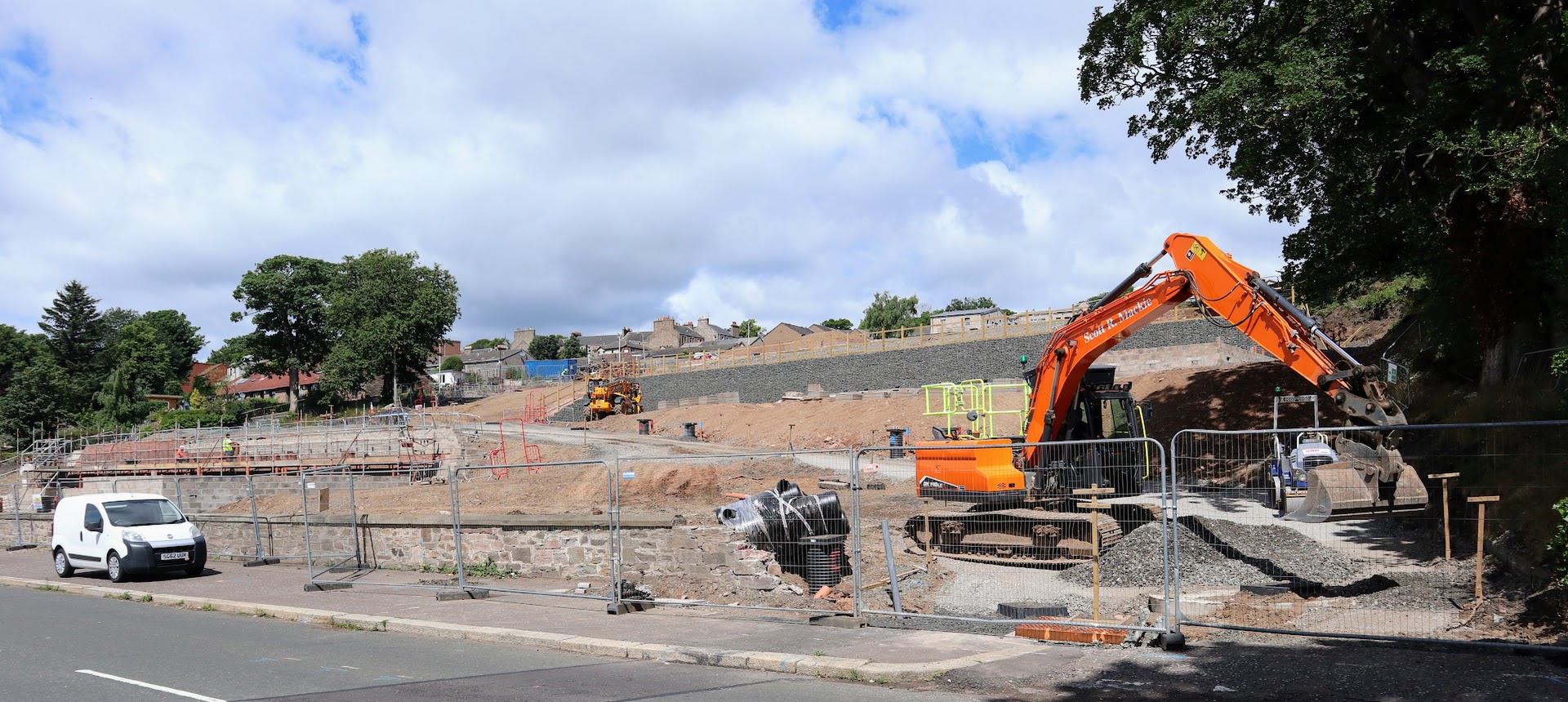
Ellengowan, Phase 2 (Hillcrest). 60 flats/houses, replacing former inter-war blocks (see main picture).
Burnside Street, Lochee (Hillcrest). 54 flats in last part of Camperdown Works to be converted.
Fernbrae, Perth Road (Kirkwood). 20 apartments and 5 houses.
West Bell Street/Ward Road. Conversion of former BT building to provide 417 student beds.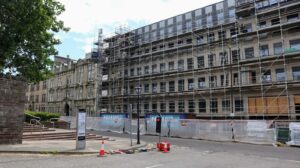
Lindsay Street/Ward Road. Former DWP office building being converted to 168 student beds.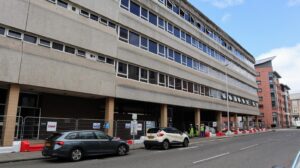
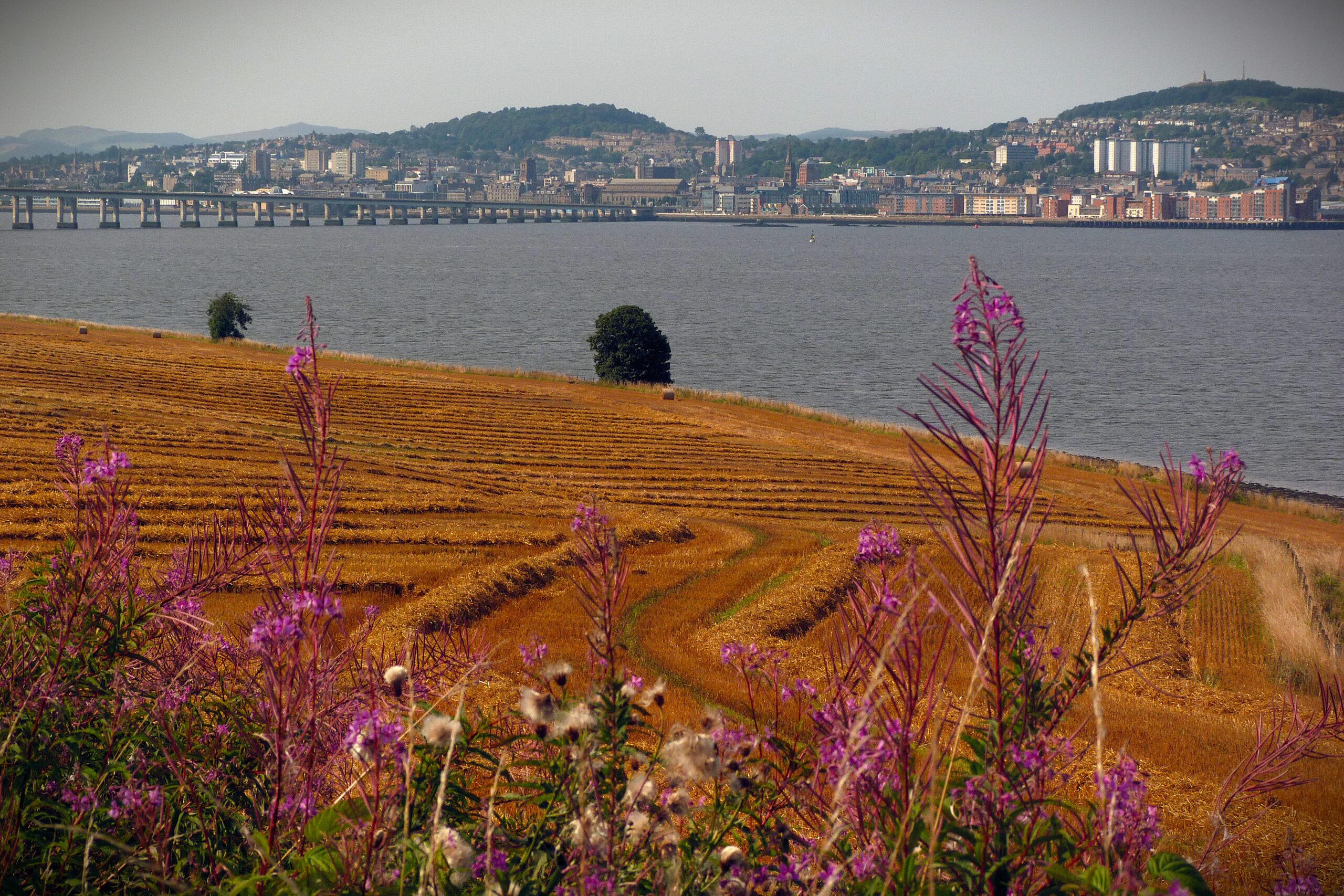
The city’s last review of its Local Development Plan was in 2019, and DCT commented fully on it at that time.
Dundee City Council has now started the ball rolling again and wishes to work on a new plan over the next two years, publishing a new version in 2028. The Council has put out a Call for Ideas, and DCT has risen to the challenge. We have produced our submission, one that is substantial and detailed, and it has now been lodged. We expect that it will generate some considerable interest.
We consider that LDP19 contained many useful ideas, but it is now outdated. Several key ambitions were never realised, and the arrival of National Planning Framework 4 in 2023 has reshaped how Scotland approaches future living. Our vision argues that the next local plan must be bold, dynamic and forward‑looking. We follow the structure of LDP2019, offering clear responses in each section.
The current LDP Vision lacks a coherent thread. It needs to be braver, more flexible and better integrated across all policy areas. Rigid “Masterplans” should give way to adaptable planning “Frameworks”. Dundee’s boundaries—already the most constrained in Scotland—must expand to include neighbouring settlements north of the Tay, strengthening the city’s long‑term sustainability and its role as a regional economic and social hub.
Read the full document in the Policy pages of this website.
Dundee Civic Trust is urging national and local authorities to back a strategic shift in how north‑east traffic moves around the city, arguing that upgrading the A94 offers the most effective way to relieve chronic pressure on the Kingsway and Forfar Road.
The A90 corridor has long suffered from heavy congestion, pollution and delays, creating a physical barrier through Dundee. Our preferred solution is a modest enhancement of the A94 between Perth and Forfar, a route that is underused, well‑engineered and largely free of the bottlenecks that plague the A90.
The opening of the £130 million Cross Tay Link Road in 2025 has already strengthened connections between the A94 and the A9/M90, making the alternative route more attractive for heavy goods vehicles. Journey times for HGVs are comparable to the A90, while offering a smoother and more fuel‑efficient drive.
Traffic has already begun diverting to the A94, and we believe improved signage and future village bypasses would accelerate this shift. The route’s resilience in winter and the relatively low cost of required upgrades further strengthen our case.
Dundee Civic Trust is calling on Transport Scotland and the Scottish Government to support trunk‑road status or targeted investment to complete these improvements.
Read a summary of our proposals here.
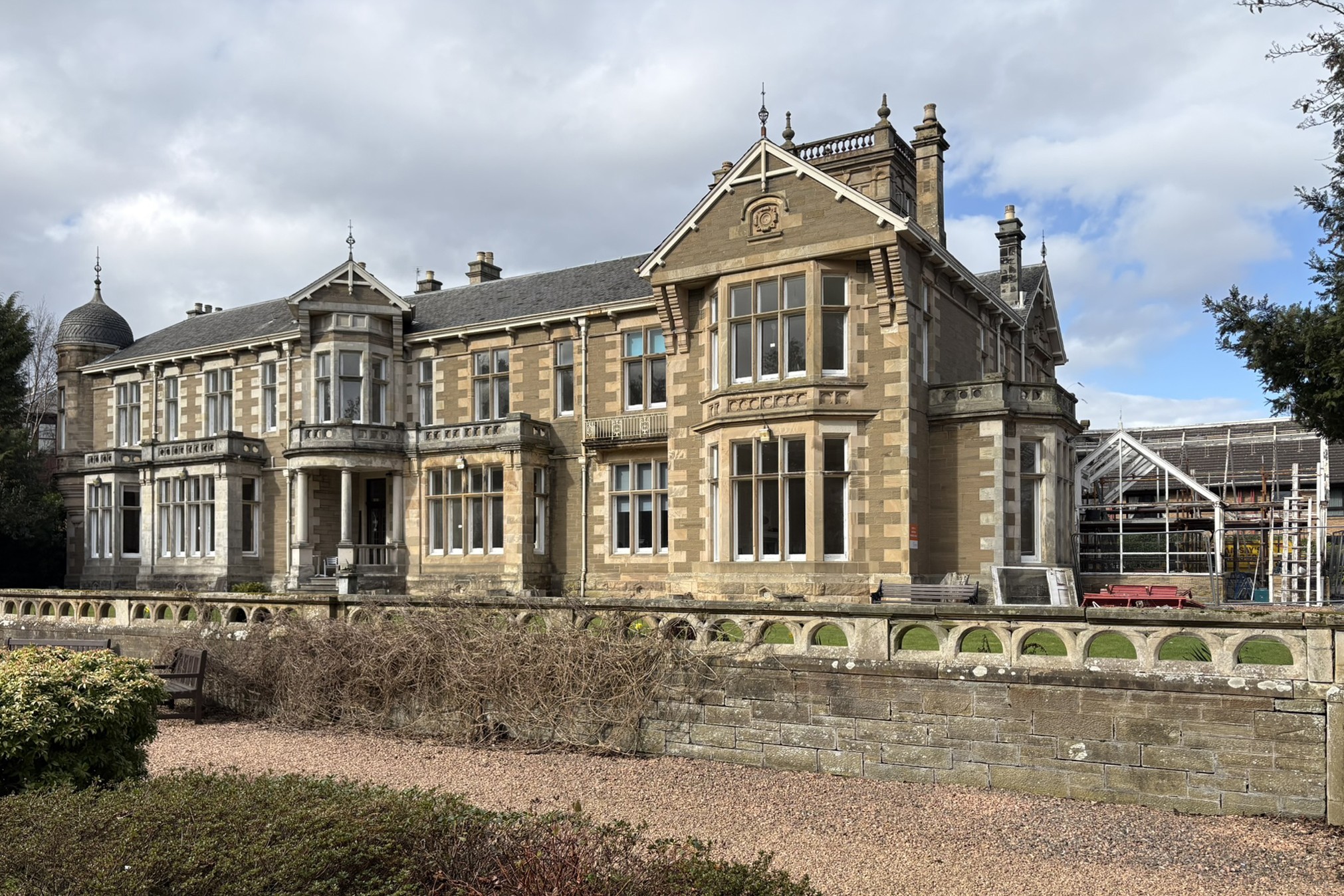
As some will have seen in the Courier, the Victorian mansion of Northwood in West Ferry has been bought by enthusiastic local couple Brenda and Scott Ettershank, who plan to turn it into serviced offices.
Originally called Corona, the Category B listed house was designed by George Shaw Aitken, a London-born architect who trained in Edinburgh and Manchester before joining James Maclaren’s practice in Dundee in 1869, becoming a partner in 1873. He then ran his own practice in Dundee from 1878 to 1881, before finishing his career in Edinburgh.
The house was designed in 1880 for Robert Aitken Mudie, a shipowner and coal merchant, and was described as two storeys with tower and irregular plan. Internally, it featured ceiling cornices and fine plasterwork with a Tudor rose motif. It had eighteen windows and a spiral staircase to the tower observation room.
On Mudie’s death, it was bought in 1910 by William Thomson, shipowner and brother of DC Thomson. He had married Clara Leng, daughter of publisher Sir John Leng, and was a Director of the Alliance Trust and President of the Chamber of Commerce in 1907. Thomson changed the name of the house to Northwood and added stained glass windows and a billiard room with Corinthian columns.
His son, Eric V Thomson, inherited the house and on his death it was sold to the Servite Housing Association in late 1985. Servite built housing in the grounds and finally, as Caledonia Housing, sold the mansion to the Ettershanks in 2025.
The Trust welcomes the plans to sensitively convert this important house to thirty serviced offices, retaining all the notable internal features. We have suggested that disabled parking and wheelchair access is better clarified and that the opportunity should be taken to add solar panels discreetly to the roof.
September 2026 update: Read more about the facilities available on the Northwood House website here.
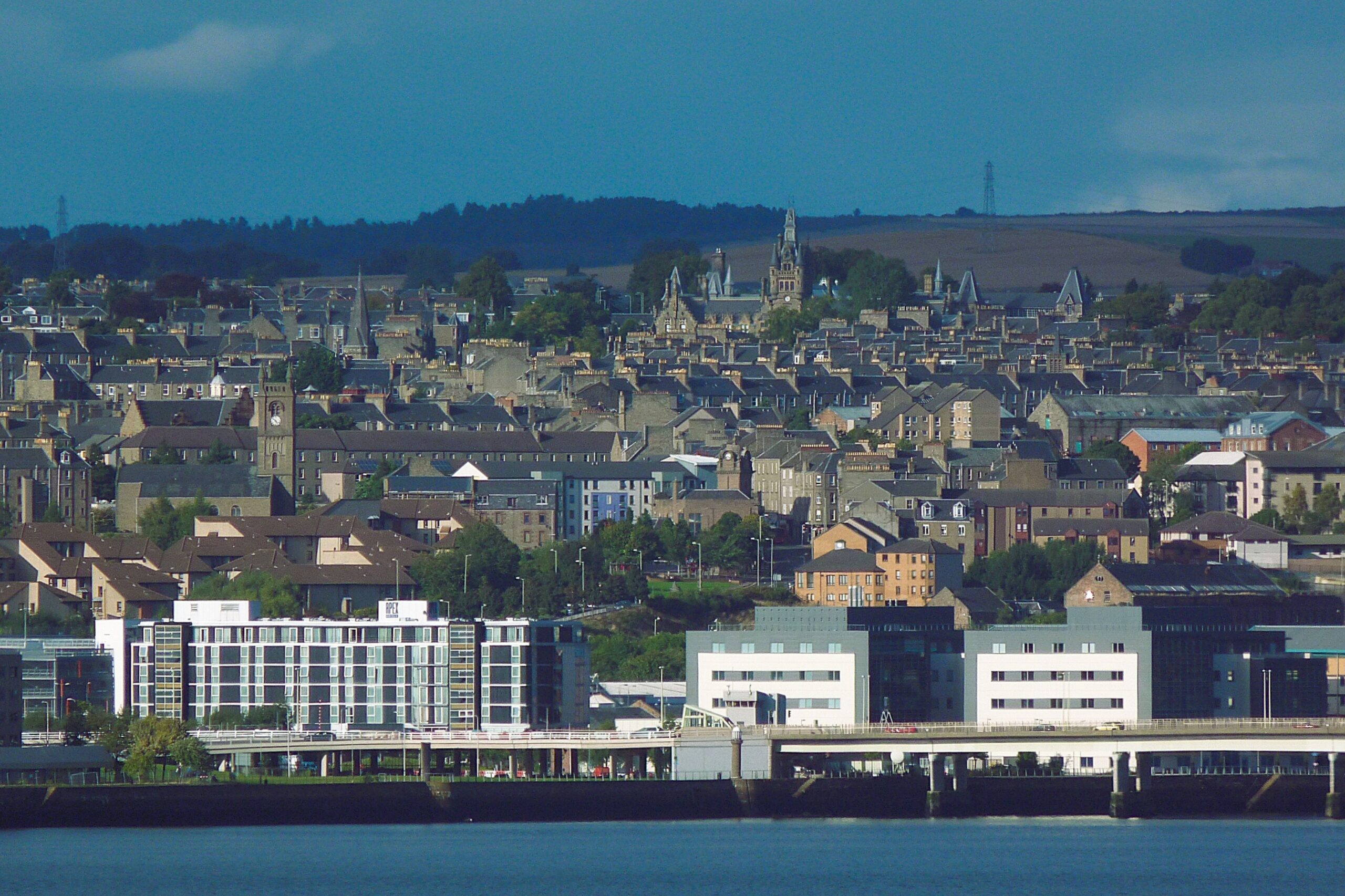
Dundee Civic Trust welcomes the City Council’s review of the 2019 Local Development Plan. The previous plan had some strengths, but it no longer reflects current national policy or the city’s needs. We argue that the next plan should be more ambitious, coherent and adaptable, with flexible planning frameworks rather than rigid masterplans. Dundee’s tightly drawn boundaries significantly limit the city’s potential and should be expanded outwards to strengthen the city’s role as a regional hub.
Dundee’s UNESCO City of Design status should play a far greater role in shaping development, supported by clearer design policies, stronger guidance and a new multidisciplinary review panel. Higher‑density living, reuse of vacant buildings and better housing data are highlighted as essential, along with improved design standards and more mixed‑use neighbourhoods.
For the city centre, the Trust emphasises the importance of increasing the residential population to support activity throughout the day and evening, alongside improvements to major sites, public transport and mixed‑use development. We also call for a shift toward regenerative design, expanded biodiversity, better flood planning and a more resilient energy strategy. On transport, we stress the need for better bus services, improved rail connections, a relocated bus station and safer, more practical cycling routes.
Read a summary of our response to the Call for Ideas Stage here and our full report here.
Dundee Civic Trust proposes the creation of a Dundee Design Review Panel to support high‑quality, sustainable and design‑led development across the city. Although Dundee is a UNESCO City of Design, it currently lacks an independent, multidisciplinary mechanism for assessing the design quality of planning proposals. Modelled on the Edinburgh Design Panel, the initiative would be developed collaboratively with Dundee City Council, professional institutes, universities, UNESCO City of Design Dundee, and community representatives, aligning with National Planning Framework 4.
The panel would offer independent expert advice at the pre‑application stage, helping design teams strengthen proposals, reduce planning risk and improve outcomes while complementing statutory planning processes. Chaired by a senior planning officer, it would comprise voluntary specialists from relevant disciplines and meet monthly or bimonthly. Priority would be given to developments with long‑term impact. Written reports would be published, and applicants would be expected to demonstrate how they addressed the panel’s recommendations.
Read our document here.
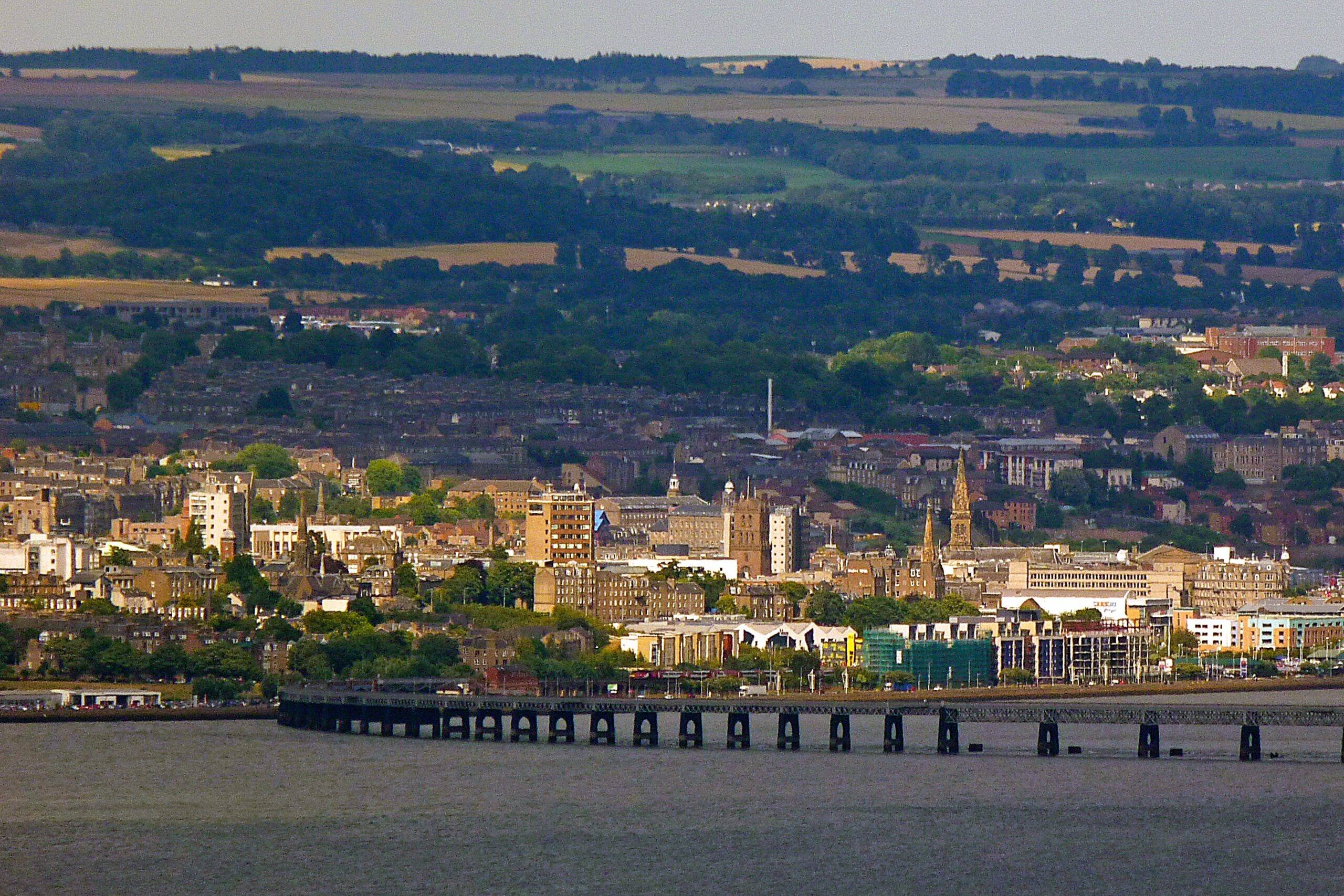
Despite being Scotland’s fourth-largest city, Dundee is the country’s smallest local authority by land area; and by quite a considerable margin.
Dundee Civic Trust considers that the city’s boundaries are too small and limiting for efficient government. There are conflicts in education, planning decisions, transport planning, housing policy, social work and even bin collections that must be resolved. The neighbouring local authority areas of Angus and Perth & Kinross contain a significant amount of housing and commercial development immediately adjacent to the city boundary. This, we feel, negatively affects the efficient operation of Dundee City, without contributing to its tax income or business profits. It also denies the residents of those places the opportunity to vote in the local elections for the urban area to which they are physically connected.
The Trust believes the city boundaries should be expanded to come closer to the area covered by the former City of Dundee District under regionalisation between 1975 and 1996. Immediately adjacent built-up villages such as Monifieth and Invergowrie should be incorporated, along with the surrounding areas.
Read more here.
Thursday 16 April 2026, 7.00 pm
Our Annual General Meeting will be followed by its customary public talk, this year delivered by board member Roderick Stewart.
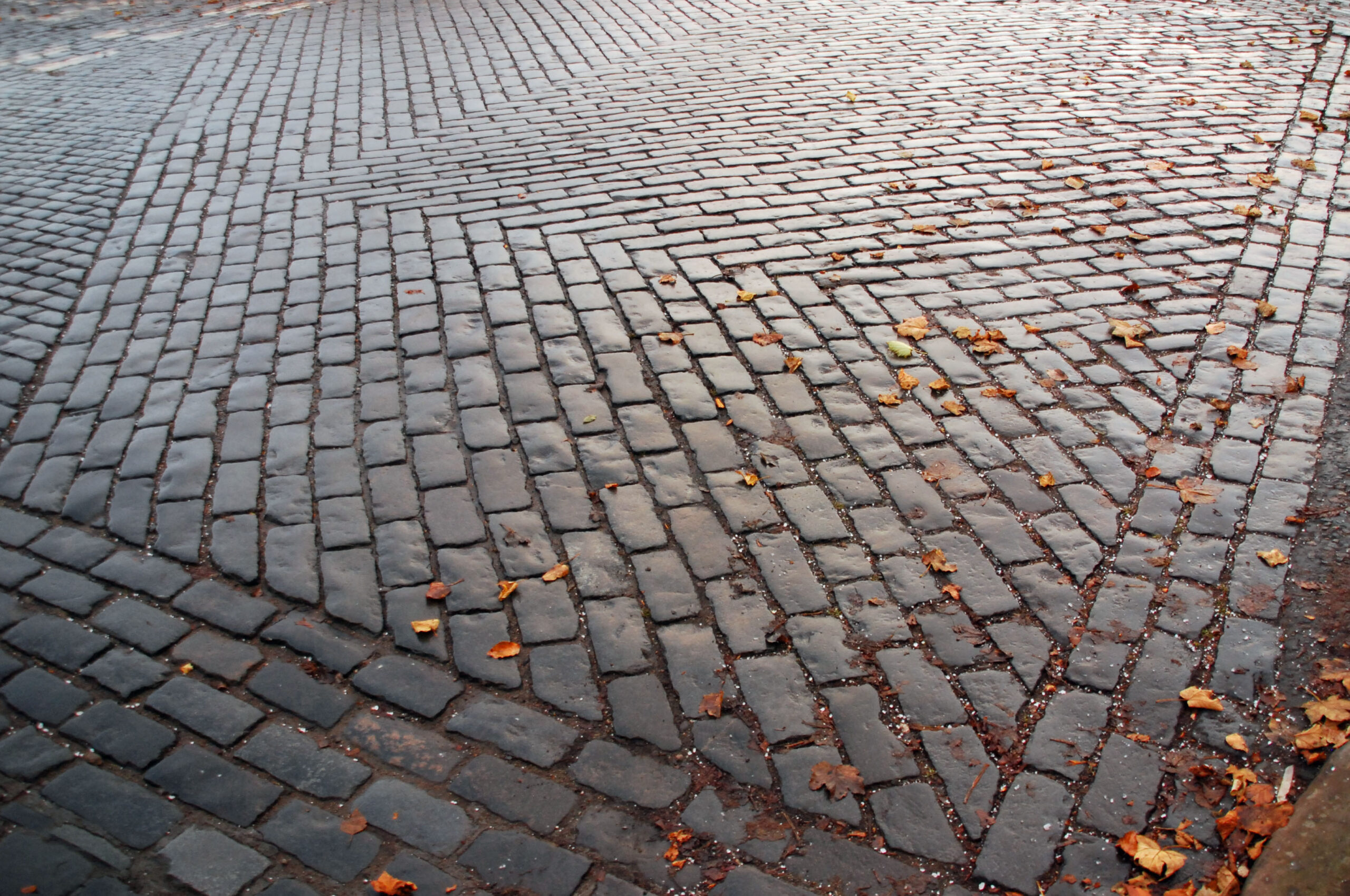
THE CASSIES covering our Dundee streets are rapidly becoming an endangered species as they are relentlessly replaced by ‘safe’ tarmac, or, more deceitfully, replaced by modern machine-cut imitations. Even their very identity as ‘cassies’ is under threat as the invasive English ‘cobble’ encroaches, entirely incorrectly, into our vocabulary.
Roderick Stewart has been an observer and photographer of cassies and their kin, kerbs and flags, for many decades and this illustrated roam around our streets aims to highlight the extraordinary skills and the sheer scale of labour required to create our gloriously-textured streetscapes. It is also a passionate plea in favour of what we should be preserving. History can never be re-wound.
Roderick has been a ‘petrophile’ and cassie collector for many years; his collection includes tank-polished basalt from Moscow’s Red Square and some extraordinary ‘muckle setts’ from Vienna. These will also be on display.
The talk will take place, as usual, in the Dundee Art Society Roseangle Gallery following Dundee Civic Trust’s characteristically brisk AGM. The AGM will start at 7.00pm (19:00) and the talk will start at 7.30 (19:30). As always, visitors will be very welcome and there will be the opportunity for informal talk over a glass of wine afterwards.

Thursday 19 March 2026, 7.00 pm
Talk by Kenneth Baxter (joint event with Friends of Dundee Heritage Trust)
Dundee has an unenviable reputation for demolishing much of its historic built environment. Between the 1870s and the 1970s many iconic buildings, streets and landmarks were lost as central Dundee underwent various redevelopments that greatly altered the character of the city. While this has come to be seen as civic vandalism on an epic scale, hindsight has clouded the fact that many Dundonians welcomed these changes when they happened and that the reasons behind them were often complex.
Starting with the massive alterations to the town centre that followed in the wake of the Dundee Improvement Act of 1871, this talk by Dr Kenneth Baxter, a well-known local historian based in Dundee University Archive Services, will explore how and why the core of Dundee’s centre was reshaped over a century, noting the economic, social and political factors that shaped these changes. It will also explore how Dundonians’ view of the city’s built heritage and its importance evolved over this time.
This talk will take place in the Dundee Art Society Roseangle Gallery, starting at 7.00 pm. Guests are always welcome and there will be the opportunity to chat over a glass of wine afterwards.